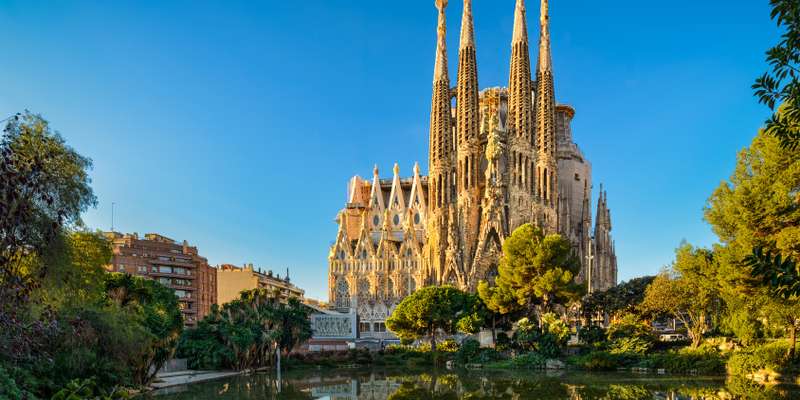
Barcelona's iconic attractions draw over 30 million visitors annually, creating endless queues that devour precious vacation time. Standing in line for hours under the Mediterranean sun isn't just uncomfortable – it can derail your entire itinerary and turn dream visits into stressful endurance tests. At the Sagrada Familia alone, peak wait times exceed two hours, forcing travelers to choose between missing other sights or paying premium prices for last-minute solutions. The frustration compounds when you discover some attractions sell out days in advance, leaving spontaneous travelers locked out entirely. These access challenges disproportionately affect families with young children, seniors, and anyone visiting during Barcelona's sweltering summer months when shade becomes as valuable as the attractions themselves.
Why Barcelona's queues are worse than other European cities
Barcelona's unique tourism landscape creates perfect conditions for marathon wait times. Unlike museums in Paris or London with multiple entry points, Gaudí's architectural masterpieces have restrictive physical layouts – the narrow spiral staircases of Casa Batlló or the delicate tile work at Park Güell simply can't handle mass foot traffic. Compounding this, cruise ship day-trippers (over 3 million annually) create sudden mid-morning surges that overwhelm attractions. The city's compact urban plan means multiple must-see sites sit within walking distance, causing synchronized visitor spikes. Even Barcelona's popular timed-entry systems backfire when travelers book overlapping slots, creating secondary queues for security checks and audio guides. These factors combine to make Barcelona's wait times particularly unpredictable compared to other Southern European destinations.
UPDATES FOR YEAR 2026
Essential Digital Entry Requirements and Anniversary Crowd Alerts
Barcelona has transitioned to a nearly 100% digital ticketing ecosystem for all major landmarks. Physical ticket booths have been phased out at the Sagrada Familia and Park Güell; visitors without a pre-booked QR code on their mobile device will be turned away at the perimeter. Due to the high-profile centenary commemorations of Antoni Gaudí’s legacy, booking windows for the Sagrada Familia and Casa Batlló now open 60 days in advance and frequently sell out within hours. Additionally, be aware of the updated city-wide tourist tax (Recàrrec Municipal), which is now added to all accommodation bookings and some attraction entry fees to fund local infrastructure. To navigate these changes, ensure your mobile device is fully charged for frequent scanning and prioritize 'Gold' or 'Blue' ticket tiers which now include priority fast-track lanes specifically designed to bypass the updated security screening checkpoints.
View all Tours
The local-approved strategy for visiting without queue stress
Seasoned Barcelona visitors know the golden rule: reverse your sightseeing schedule. While most tourists head straight to the Sagrada Familia at opening, savvy travelers first visit secondary attractions like Casa Vicens or the Sant Pau Art Nouveau site, then approach major sites after 3 PM when cruise crowds dissipate. Another local secret? Many attractions have 'slow hours' – La Pedrera sees lulls between 10-11 AM as tour groups transition, while the Picasso Museum quiets down during traditional Spanish lunch hours (2-4 PM). For early risers, arriving 30 minutes before official opening often means getting processed before timed-ticket holders arrive. These tactics work year-round but prove especially effective during shoulder seasons (March-May and September-October) when weather remains pleasant but visitor numbers drop by nearly 40%.
View all Tours
When Barcelona attraction passes actually save you money
Barcelona's array of tourist passes can either be time-saving gems or expensive mistakes depending on your itinerary. The Barcelona Pass works best for visitors cramming multiple Gaudí sites into two days, offering true skip-the-line access at Casa Milà and Park Güell (saving €7-12 per attraction). However, culture-focused travelers might prefer the Articket BCN covering six major museums for €38 – half the walk-up price. Beware of passes including public transport; Barcelona's compact center makes metro cards unnecessary for most sightseers. The real value lies in pre-booked timed entries bundled with passes – during summer, this combination can reclaim three hours of queue time per day. Always cross-check pass inclusions against your must-see list; the 20% discount at lesser-known sites like Frederic Marès Museum often goes unused.
View all Tours
Little-known alternative entries that bypass the worst crowds
Several Barcelona landmarks have discreet secondary entrances that even regular visitors miss. At the Sagrada Familia, the 'group entrance' on Carrer de la Marina often processes individual tickets faster than the main Nativity facade queue – it's just 200 meters away but routinely has wait times 30 minutes shorter. Park Güell's lesser-used Carretera del Carmel gate sits uphill but offers stunning panoramic approaches to the Monumental Zone. For the Boqueria Market, the rear entrance near Hotel 1898 consistently moves faster than the Rambla-side chaos. Even simple tricks like purchasing MNAC tickets at the lesser-visited Olympic Stadium booth (valid same-day) can save an hour compared to the main palace queue. These alternatives don't eliminate waits entirely but demonstrate how spatial awareness in Barcelona's attraction layouts pays dividends in saved time.
View all Tours
FAQ 2026
Can I buy physical tickets at the Sagrada Familia entrance in 2026?
No, the Sagrada Familia has moved to a strictly digital-only ticketing system for 2026. You must purchase tickets via the official app or website in advance, as there are no physical ticket windows available at the site for same-day walk-ups.
What is the daily tourist tax rate for Barcelona visitors in 2026?
As of 2026, the combined regional and city surcharge (ETEE) typically ranges from €5.50 to €7.50 per person, per night, depending on your accommodation category. This fee is usually collected by your hotel or apartment host upon arrival.
Are there still free entry times for Park Güell in 2026?
No, in 2026, the entire restricted area of Park Güell requires a paid timed-entry ticket for all non-residents. The 'free' access hours are strictly reserved for local citizens registered with the 'Gaudir Més' program who possess a verified digital ID.
Written by Barcelona Tours Editorial Team & Licensed Local Experts.
Last updated: 24/02/26
