Most visitors to Barcelona flock to Parc de la Ciutadella, leaving other urban oases blissfully crowd-free. Over 80% of tourists concentrate in just 3 parks, missing the city's diverse green spaces where locals unwind. This creates a frustrating paradox – you came to relax, but end up navigating selfie sticks and tour groups instead of enjoying nature. The hidden benches under century-old trees, the secluded viewpoints with skyline panoramas, the aromatic herb gardens whispering Mediterranean secrets – these exist just minutes from the beaten path. For travelers craving authentic respite or parents needing safe play areas away from tourist zones, Barcelona holds verdant solutions most guidebooks overlook.
Finding solitude in Gràcia's labyrinthine gardens
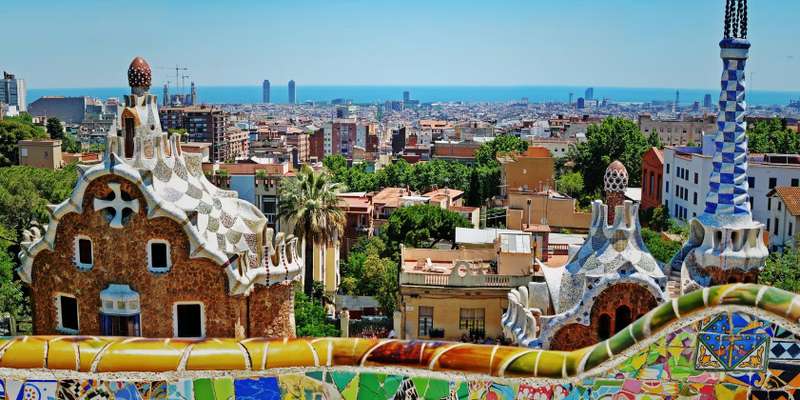
Tucked between the modernist buildings of Gràcia district, Jardins de la Tamarita offers shaded pathways and trickling fountains unknown to most visitors. The key is timing – arrive before 11am when neighborhood retirees enjoy their daily paseo, and you'll have the ornamental ponds to yourself. Unlike manicured Ciutadella, Tamarita feels like stumbling upon a noble family's private garden, complete with hidden grottoes and ceramic-tiled benches. For writers or digital nomads, the wrought-iron tables near the rose garden provide perfect WiFi-free workspaces. Locals cherish this park for its microclimate too – the dense magnolia and palm canopy creates cooler air during Barcelona's sweltering summers.
View all Tours
Montjuïc's secret terraces with panoramic views
While crowds queue for the cable car, savvy explorers take the winding paths behind Mirador del Migdia to discover Barcelona's most breathtaking picnic spots. These tiered gardens on Montjuïc's western slope offer unimpeded Mediterranean views without entrance fees. The trick is packing supplies from Mercat de la Barceloneta – grab some pan amb tomàquet, fuet sausage, and local cheeses before ascending. Around sunset, you'll join Catalan families spreading blankets on the pine-needle carpeted slopes. For photography enthusiasts, the golden hour light here transforms the city into a honey-hued masterpiece. Remember to wear sturdy shoes – the rewarding 25-minute hike from Paral·lel metro station involves some uneven stone steps.
View all Tours
Parc del Laberint d'Horta's hidden surprises
Barcelona's oldest garden conceals more than its famous cypress maze – the romantic 18th-century estate features hidden pavilions, mythological statues, and a waterfall-fed pond straight from a Gothic novel. Visiting on Wednesday or Sunday afternoon? You'll often catch local classical musicians performing near the neoclassical temple. While there's a nominal €2.23 entry fee (free Sundays), this keeps crowds minimal compared to free parks. The upper gardens reveal a little-known secret – follow the stone steps behind the pavilion to find a secluded viewpoint with the Tibidabo cathedral framing the skyline. Early mornings here feel like having your personal Renaissance garden, complete with the scent of boxwood hedges and birdsong echoing off stone grottoes.
UPDATES FOR YEAR 2026
New Access Rules and Logistics for Barcelona’s Hidden Green Spaces
Navigating to Barcelona’s peripheral gardens has shifted toward a digital-first transit model. The T-mobilitat system is now the required standard for all metro and FGC train lines; visitors should secure a rechargeable card or use the official mobile app to reach Mundet or Peu del Funicular, as traditional magnetic paper tickets are being phased out. On the environmental front, the reactivation of historical ornamental fountains across the city’s parks marks a significant change, with water features in the Laberint d'Horta and Tamarita once again operational. However, capacity management has tightened; the Horta Labyrinth now strictly enforces a 750-person limit, making early morning arrivals essential to bypass queues, particularly during the high-demand free entry windows on Wednesdays and Sundays.
View all Tours
Collserola's forest trails for urban wildlife spotting
Just 20 minutes from Plaza Catalunya, the Serra de Collserola Natural Park offers 8,000 hectares of Mediterranean forest where wild boar and kingfishers outnumber tourists. The Carretera de les Aigües trail provides accessible hiking with constant city views – perfect for families wanting wilderness without venturing far. Local runners know the early hours reveal rabbits darting across paths and woodpeckers tapping in pine trees. For the best experience, take FGC train to Peu del Funicular and follow signs to Font de la Budellera, a natural spring where cyclists refill water bottles. Unlike city parks, here you'll find informational plaques about native flora, from aromatic rosemary bushes to towering stone pines.
View all Tours
FAQ 2026
What is the entrance fee for the Parc del Laberint d'Horta in 2026?
For 2026, the general admission fee is €2.23, while entry remains free for all visitors on Wednesdays and Sundays. Note that a strict 750-person capacity limit is in place, so early arrival is recommended to ensure entry during these peak free days.
Are the park fountains and water features in Barcelona currently operating in 2026?
Yes, as of 2026, the majority of ornamental fountains in parks like Jardins de la Tamarita and the Laberint d'Horta have been reactivated following the lifting of previous drought-related water restrictions. This includes the full resumption of the Magic Fountain light shows at the foot of Montjuïc.
Which transport card is best for visiting Barcelona's outlying parks in 2026?
In 2026, the most efficient option is the T-mobilitat system, which can be purchased as a rechargeable cardboard card for €0.50 or used via a smartphone app. This system integrates all bus, metro, and FGC train lines needed to reach Collserola and the Horta district.
Written by Barcelona Tours Editorial Team & Licensed Local Experts.
Last updated: 24/02/26
