Barcelona's Gaudí landmarks attract over 4.5 million annual visitors, creating overwhelming crowds and logistical challenges. First-time travelers often waste precious hours in ticket lines or miss key details about these UNESCO sites, leaving them with superficial experiences. The frustration mounts when discovering too late about timed entry systems at Sagrada Familia or missing Park Güell's magical sunrise hours. These architectural wonders deserve more than rushed selfies – understanding Gaudí's symbolism and accessing vantage points known only to locals transforms your visit from chaotic to profound. With seven major works scattered across the city, smart planning separates those who check boxes from those who genuinely connect with Catalonia's visionary genius.
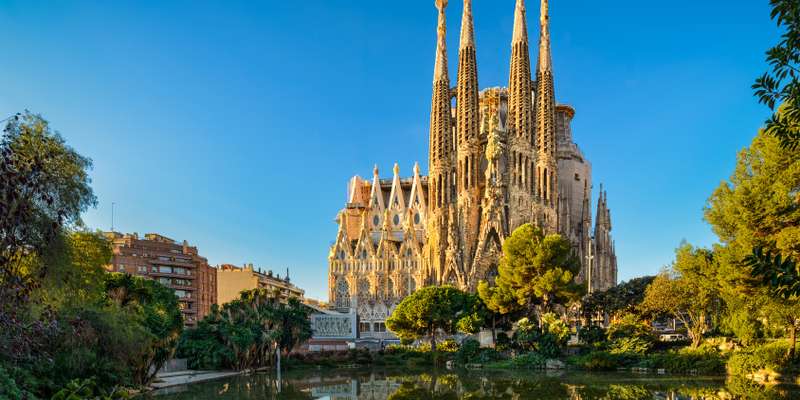
Navigating Sagrada Familia crowds without wasting half your day
The basilica's 3-hour peak wait times test even patient travelers, but locals know two golden windows: 9am weekday openings when school groups haven't arrived, or 90 minutes before sunset when day-trippers leave. Purchase tickets online from the official site (never third parties) to choose Nativity or Passion facade entry – this determines your entire viewing route. Don't make the common mistake of rushing to the towers first; the stained glass reveals its magic at ground level when sunlight hits at 11am or 4pm. Pro tip: The museum basement holds Gaudí's original inverted model, often overlooked by crowds heading straight for the escalators.
UPDATES FOR YEAR 2026
Gaudí Centenary Milestone: Tower Completions and Mandatory Digital Booking Rules
The Barcelona skyline has fundamentally shifted with the completion of the central Tower of Jesus Christ, which now officially marks the basilica as the world's tallest church. For travelers, this means the long-standing cranes have finally been removed from the main silhouette, offering the first unobstructed views of the structural completion. Logistically, the most critical update involves the 'Bon Dia' policy at the hilltop gardens: the previous loophole allowing early morning free entry for tourists is now permanently closed, with pre-opening hours strictly reserved for registered residents and 'Gaudir Més' members. Additionally, a new contemporary art space has opened on the second floor of the 'House of Bones' on Passeig de Gràcia, featuring immersive mapping technology. Travelers should also budget for the revised municipal surcharges on overnight stays, which have seen a significant increase across all accommodation tiers to support city sustainability.
View all Tours
Park Güell's hidden pathways and ticket confusion solved
Many visitors don't realize only the Monumental Zone requires tickets, leaving 90% of the park freely accessible. Arrive before 8am for unpaid access to Gaudí's dragon fountain and viaducts without the gates. The paid section's mosaic bench looks southward – come at noon for warm winter light or summer evenings when musicians play. Locals enter through Carrer d'Olot's back gate to avoid the steep climb from Metro Lesseps. Wednesday mornings often have last-minute ticket releases when cruise ship groups cancel. Bring water and wear grippy shoes – Gaudí's organic stone paths become slippery even in dry weather.
View all Tours
Casa Battló vs. La Pedrera: Choosing your Gaudí house experience
These two Passeig de Gràcia landmarks cater to different travel styles. Casa Battló's augmented reality tablet (included) brings dragon-inspired details to life for families, while La Pedrera's attic reveals Gaudí's engineering genius through hanging models. Budget travelers should visit La Pedrera on first Sundays (free morning entry) or during its spectacular night projection shows. Photography enthusiasts prefer Battló's rooftop for its trencadís chimneys backdropped by Barcelona's skyline. Both houses get packed elevators – take the stairs down to discover whimsical details like Battló's mushroom fireplace or Pedrera's parabolic arches rarely seen in brochures.
View all Tours
Underrated Gaudí gems beyond the tourist trail
Skip the lines entirely at Colònia Güell's cryptic crypt, where Gaudí perfected his hanging chain models before Sagrada Familia. The 20-minute train ride from Plaça Espanya takes you through authentic Catalan neighborhoods. In Eixample, Casa Vicens' Moorish-inspired patterns dazzle with only 20% of Sagrada Familia's crowds. For a free Gaudí fix, the lampposts in Plaça Reial showcase his first public commission – notice the winged helmets and serpent bases. Hardcore enthusiasts head to Bellesguard Tower, where Gaudí's medieval influences shine through the least-altered of his buildings, complete with a four-armed cross visible only from specific angles in the garden.
View all Tours
FAQ 2026
Is the Sagrada Família construction officially finished in 2026?
The structural milestone for the six central towers, including the 172.5-meter Tower of Jesus Christ, is completed in 2026 to mark the centenary of Gaudí's death. However, decorative work and the construction of the Glory Façade and its monumental staircase are expected to continue beyond this year.
Can tourists still get free early entry to Park Güell in 2026?
No, the early morning and late evening time slots (Bon Dia and Bon Vespre) are now strictly enforced for local residents only. In 2026, all tourists must purchase a timed-entry ticket for the 9:30 AM to 6:00 PM window; attempting to enter before this will result in being turned away by security.
What is the total Barcelona tourist tax for visitors in 2026?
As of April 2026, the combined regional and municipal tourist tax has increased significantly. Depending on your accommodation type, expect to pay between €7 and €15 per person, per night, with five-star hotels and luxury cruise passengers facing the highest surcharges.
Written by Barcelona Tours Editorial Team & Licensed Local Experts.
Last updated: 24/02/26
