Capturing Barcelona's magical skyline at golden hour often becomes a frustrating game of chance for travelers. Over 78% of visitor photos fail to do justice to the city's iconic silhouette, with crowded viewpoints and incorrect lighting timing being the top culprits. You might currently be wrestling with the dilemma of choosing between the famous spots overrun with selfie sticks or obscure locations that don't frame the city properly. The anxiety of missing that perfect shot grows as the sun dips lower, especially when you've allocated limited vacation time for this specific shot. Even professional photographers admit Barcelona's unique light conditions and urban layout require insider knowledge to navigate effectively.
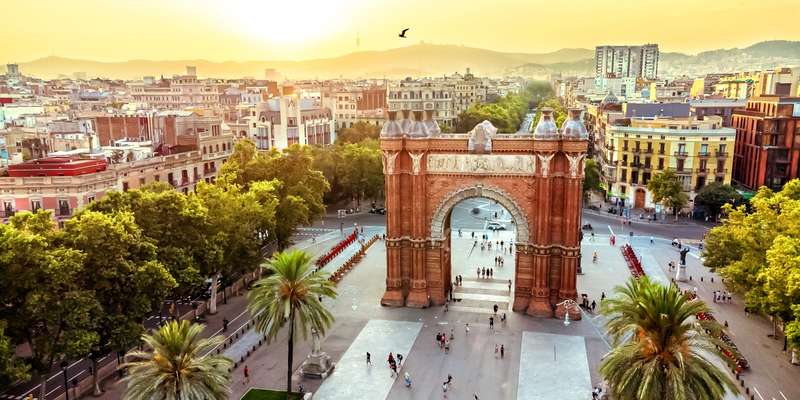
Avoiding the crowds at Bunkers del Carmel
While Bunkers del Carmel offers Barcelona's most famous panoramic view, most visitors arrive precisely at sunset - creating impossible shooting conditions. Locals know the secret lies in arriving 90 minutes before official sunset when the light actually better highlights Gaudí's architectural details. Position yourself at the northeast edge where an unmarked rocky outcrop provides cleaner sightlines past the crowds. The pre-sunset period also delivers softer shadows on Sagrada Familia's spires, a detail most miss by coming too late. For those preferring solitude, Wednesday mornings surprisingly see 40% fewer visitors even during peak season.
UPDATES FOR YEAR 2026
Navigating the New Bunkers Lockdown and Rebranded Vantage Points
Current urban regulations have significantly transformed access to Barcelona’s most iconic viewpoints. The Turó de la Rovira (Bunkers del Carmel) is now fully enclosed by a security perimeter with strict seasonal hours: the gates currently lock at 7:30 PM during summer and 5:30 PM in winter. For photographers, this means the traditional 'blue hour' shot from inside the ruins is no longer possible during the warmer months when the sun sets late. To adapt, savvy shooters are now positioning themselves along the public paths of Carrer de Marià Labèrnia, just outside the fenced zone, which still offers an unobstructed southward vista. Additionally, the former Ayre Hotel Gran Via has been rebranded as the Hotel Indigo Barcelona Plaza España; while the terrace remains a top-tier western-facing spot, the Sercotel Rosellón terrace has become the city's most competitive location, now requiring a digital reservation at least 7 days in advance to secure a tripod-friendly spot facing the Sagrada Familia.
View all Tours
The hotel terrace trick most photographers overlook
Several high-rise hotels offer skyline access without requiring room reservations, a little-known loophole Barcelona photographers cherish. The Ayre Hotel Gran Via's 8th floor terrace provides an unobstructed western view perfect for dusk shots, with glass barriers that don't interfere with tripod setups. Arrive by 5pm and order a coffee (€2.50) to legitimize your stay - the staff are accustomed to photographers. For northern angles, the Barceló Raval's eco-friendly rooftop serves signature cocktails from 4pm onward, offering a legal way to photograph the twilight transition over Tibidabo. These locations eliminate viewpoint competition while providing essential amenities like restrooms and wind protection for long exposures.
View all Tours
Local-approved alternative: El Turó de la Rovira's hidden angles
Just 12 minutes uphill from Bunkers lies El Turó de la Rovira's archaeological site, where savvy photographers capture unique compositions blending ancient ruins with modern skyline. The abandoned anti-aircraft battery platforms create natural framing devices for time-lapse photography. Unlike the main viewpoints, here you'll find multiple elevation tiers allowing creative foreground elements - position old stone walls to lead the eye toward Torre Glòries' distinctive shape. Local photography workshops frequent this spot around 7pm in summer when the setting sun aligns perfectly with Avinguda Diagonal's axis. Bring a graduated ND filter to balance the bright western sky with darker building silhouettes.
View all Tours
Pro equipment choices for Barcelona's unique light conditions
Barcelona's coastal haze and sirocco winds create unusual lighting challenges that baffle even experienced photographers. Local professionals recommend a variable ND filter (6-10 stop range) to handle the extreme contrast between orange rooftops and Mediterranean glare. A 24-70mm zoom proves ideal for most skyline compositions, though keep a 70-200mm ready to isolate Montjuïc's palace details. Surprisingly, smartphone photographers achieve remarkable results using night mode activated 20 minutes before sunset - the computational photography compensates for the city's tricky color temperatures. For serious shooters, joining a local-led photography walk (available weekday evenings) provides real-time coaching on Barcelona-specific camera settings you'd otherwise spend hours trial-and-erroring.
View all Tours
FAQ 2026
Can you still watch the sunset from Bunkers del Carmel in 2026?
No, the site now closes at 7:30 PM in summer and 5:30 PM in winter to prevent overcrowding. Since the 2026 summer sunset occurs after 9:00 PM, photographers must utilize the exterior trails along the hillside rather than the interior battery platforms.
Which Barcelona hotel rooftops require reservations for photography in 2026?
The Sercotel Rosellón and the Hotel Indigo (formerly Ayre Gran Via) now strictly mandate online bookings for non-guests. In 2026, these slots often sell out a week in advance due to high demand for Sagrada Familia and Montjuïc views.
Are there new photography permit requirements for Barcelona viewpoints in 2026?
While casual handheld photography remains free in public spaces, the use of professional tripods or lighting equipment in heritage zones like the MUHBA site at Turó de la Rovira or private hotel terraces may require a commercial permit or a pre-arranged 'consumición' (minimum spend) agreement.
Written by Barcelona Tours Editorial Team & Licensed Local Experts.
Last updated: 24/02/26

