Standing before Antoni Gaudí's masterpiece should inspire awe, not frustration. Yet 4.7 million annual visitors transform Sagrada Familia's soaring arches into a maze of shuffling crowds and raised smartphones. Morning tour groups clog narrow stairwells while midday sun washes out stained-glass hues, leaving rushed travelers with mediocre photos and missed details. The challenge isn't finding opening hours – it's decoding when the basilica's magic shines brightest without competing with 8,000+ daily guests. Locals know light transforms the nave into a kaleidoscope at precise hours, and that ticket types dramatically alter your experience. This isn't about beating crowds; it's about claiming your moment of connection with Gaudí's vision.
Why standard opening hours set you up for disappointment
Arriving when doors open at 9am seems logical, but you'll join hundreds with the same idea – including tour buses that unload simultaneously. The 11am lull tourists anticipate rarely materializes; instead, it's when cruise passengers arrive en masse. Even weekdays offer no refuge, as Barcelona's temperate climate makes this a year-round attraction. The real secret lies in understanding three overlapping patterns: school group arrivals (10am-noon), peak photo light (varies by season), and local habits (many Catalans visit late afternoon). Without this insight, you risk wasting your ticket on a rushed, shoulder-to-shoulder experience that misses the architectural details Gaudí designed for quiet contemplation.
UPDATES FOR YEAR 2026
Navigating the Centenary Rush: New Quiet Hours and Completion Secrets
The visitor experience has been redefined by the introduction of a mandatory 'Quiet Hour' between 9:00 am and 10:00 am, where silence is strictly enforced and headphones are required for all digital guides to preserve the basilica's spiritual atmosphere. As the final tower construction reaches its historic conclusion, entry is now managed via a 100% digital, nominative ticketing system with no physical sales available at the gates. To secure tower access during the height of the architectural celebrations, booking 45 to 60 days in advance is now the industry standard. Additionally, travelers should account for enhanced security checkpoints that mandate arrival 15 minutes before your time slot to avoid forfeiture during this milestone season.
View all Tours
The golden window: When light and low crowds align
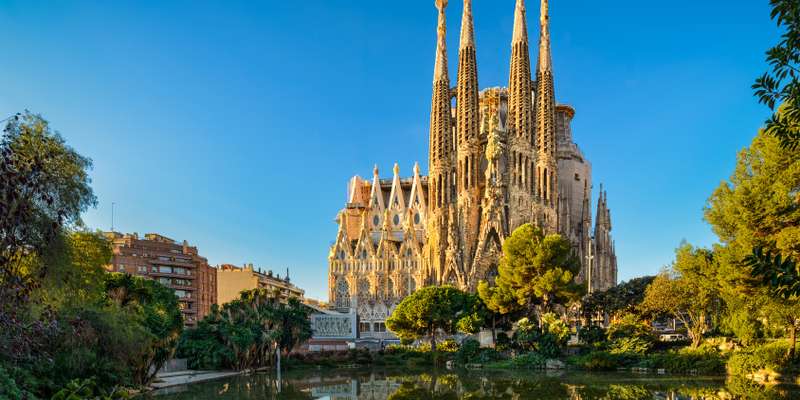
For photographers and serenity-seekers, 30 minutes before sunset delivers miracles. Winter months (November-February) offer this light around 4pm with thinning crowds, while summer's late 8:30pm closing allows golden hour visits without morning madness. The Passion Facade glows blood-orange, and the nave's tree-like columns cast dramatic shadows. Few realize the basilica sells special 'light ticket' slots for these hours. An even better option? Arrive at 2pm when most visitors leave for lunch, especially on Sundays when locals dine late. The stained glass's eastern hues remain vibrant, and you'll find breathing room by the Nativity Facade. Pro tip: Cloudy days scatter light evenly, making midday visits surprisingly rewarding when crowds are your only concern.
View all Tours
Beyond timing: Ticket types that change your experience
Your entry ticket dictates more than just queue priority. Standard access herds you through the main flow, while 'tower access' tickets spread crowds across different elevator times. The hidden gem? Choosing the Nativity Tower morning slot (before 11am) pairs elevator availability with softer light on that facade's intricate carvings. Audio guide users naturally move slower, creating pockets of space between groups – opt for the downloadable version to control your pace. For true solitude, some specialist tours include 8am access before public hours, though these require booking weeks ahead. Remember: Last entry is always crowded regardless of ticket type, as stragglers rush to enter before closing.
View all Tours
Local rituals that create unexpected quiet moments
Barcelona's rhythms work in your favor if you know how to sync with them. On the first Sunday of each month, free entry draws crowds early, but by 2pm the space empties as locals head home for family lunch. Rainy mornings (even light drizzle) deter 60% of visitors – the basilica's interior is actually more stunning when gray skies amplify the glass colors. Neighborhood festivals like La Mercè in September pull locals away from tourist sites. The most reliable trick? Visit immediately after a home FC Barcelona match; the streets empty as fans gather in bars, leaving the basilica eerily peaceful for 2-3 hours post-game. These unadvertised patterns matter more than any crowd calendar.
View all Tours
FAQ 2026
What is the new 2026 'Quiet Hour' policy at Sagrada Familia?
Starting February 2, 2026, the basilica observes a mandatory Quiet Hour from 9:00 am to 10:00 am daily. Visitors must remain silent inside the temple and are required to use earphones for all audio guide content to maintain a meditative environment.
How far in advance should I book Sagrada Familia tickets in 2026?
Due to the high demand surrounding the Tower of Jesus Christ completion and the Gaudí centenary, it is recommended to book 4 to 8 weeks in advance. Tower access tickets are especially limited and often sell out as soon as the 60-day booking window opens.
Are there special events in 2026 for the completion of the Sagrada Familia towers?
Yes, 2026 features a calendar of over 60 events, including the inauguration of the Tower of Jesus Christ between May and July, and a solemn centenary mass on June 10. These events significantly increase crowd levels, making mid-week afternoon slots the most viable for avoiding peak congestion.
Written by Barcelona Tours Editorial Team & Licensed Local Experts.
Last updated: 24/02/26
