Barcelona's vibrant energy can overwhelm even seasoned travelers, with 83% of visitors reporting sensory fatigue after three days of exploration. The constant hum of Las Ramblas, Gothic Quarter crowds, and beachfront bustle create an ironic dilemma – how to experience Catalonia's capital without exhaustion. Hidden among the modernist architecture lie verdant sanctuaries unknown to guidebooks, where the Mediterranean light filters through century-old trees rather than smartphone screens. These gardens offer more than shade; they provide mental respite crucial for enjoying Barcelona's cultural treasures. Locals have long cherished these pockets of calm, where fountains murmur instead of tour groups and stone benches face floral tapestries rather than souvenir stalls. Discovering these spaces transforms a trip from checklist tourism to meaningful travel, yet most visitors never find them amid the urban labyrinth.
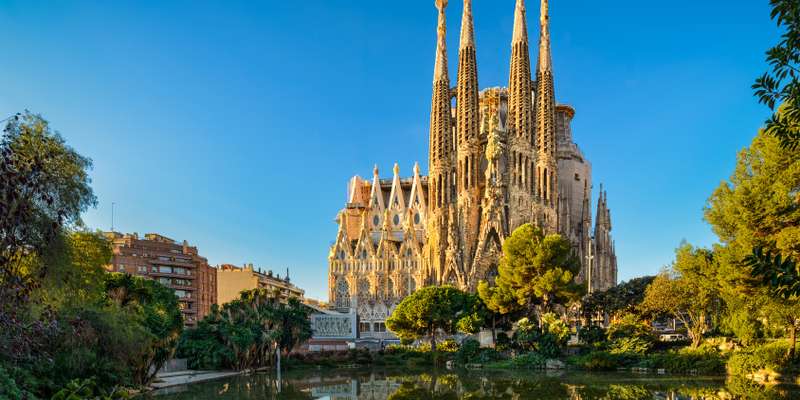
Escaping the crowds at the historic Jardins del Palau de les Heures
Tucked behind the University of Barcelona's hillside campus, these neo-Gothic gardens feel worlds away from the 1.5 million tourists who annually visit Park Güell just downhill. The Palau's terraced design creates intimate nooks perfect for reading or sketching, with panoramic city views few know exist. Arrive before noon to claim the wrought-iron bench beneath the magnolia tree, where dappled sunlight and the absence of signage create accidental solitude. Unlike Barcelona's famous parks, you'll hear more birds than human voices here – the gravel pathways naturally discourage large groups. Bring water and stay for the golden hour, when the palace's stained glass projects kaleidoscopic patterns across the herb garden.
UPDATES FOR YEAR 2026
Essential Entry Updates and Reservation Rules for Barcelona’s Hidden Green Spaces
Navigating Barcelona’s peaceful retreats now requires navigating updated digital access protocols. Most gardens, including the historic Laberint d’Horta, have moved to a mandatory online reservation system to manage capacity and protect the delicate 18th-century infrastructure. Visitors should note that the 'free entry' days (previously Sundays and Wednesdays) now often require a pre-booked zero-cost ticket via the official city council portal to ensure entry. Additionally, the city’s expanded Low Emission Zone (ZBE) and recent adjustments to the tourist tax mean that reaching these sites via public transport is not only more sustainable but more cost-effective. At Sant Pau, digital 'silent' tickets are now prioritized to maintain the therapeutic atmosphere mentioned in medical heritage logs. Always verify current opening hours via the official 'BCN Paisatge' app, as seasonal maintenance schedules have been synchronized to avoid peak morning heat cycles.
View all Tours
The medicinal calm of Hort del Silenci at Sant Pau Recinte Modernista
This UNESCO-listed art nouveau complex hides a therapeutic secret beyond its dazzling tile work – a cloistered garden designed specifically for mental restoration. Hospital architects in 1930 created this space using fragrant lavender, rosemary, and boxwood hedges to lower patients' heart rates, a effect modern visitors still experience. The geometric layout provides structure without confinement, with stone alcoves that seem to absorb urban noise. Unlike crowded tourist spots, attendants limit entry to maintain tranquility, creating rare personal space in central Barcelona. For maximum benefit, follow the local tradition of walking three clockwise laps around the central fountain before settling on the east-facing bench – the optimal angle for both sun and shade in summer months.
View all Tours
Parc del Laberint d'Horta's hidden upper terraces
While most visitors cluster at the famous hedge maze (and its inevitable queues), Barcelona's oldest garden conceals serene upper levels rarely mentioned in blogs. The romantic-style Italianate terraces above the labyrinth feature secluded stone pergolas draped in wisteria, with original 18th-century water channels that create a soothing auditory backdrop. Locals favor the third-level bosquet area, where dense tree canopies block both noise and summer heat. Come Wednesday mornings when maintenance crews refresh the flower beds – the newly turned earth scent enhances the pastoral illusion. Smart travelers pack a light breakfast to enjoy here before the maze opens at 10am, when the gardens still hold the coolness of night.
View all Tours
Tres Pins' pine forest within walking distance of Plaza España
Few realize Montjuïc's slopes shelter an actual forest just eight minutes from the magic fountain. Tres Pins' towering Aleppo pines form a natural sound barrier against festival noise from below, their resinous scent enhancing the wilderness feel. Unlike manicured parks, the uneven terrain naturally limits foot traffic, creating what Catalan writers call 'soledat compartida' – shared solitude. The forest service maintains hidden clearings with fallen logs as natural seating; the one near the dry-stone wall offers surprising Sagrada Família glimpses through the branches. For the ultimate reset, time your visit with the 11am or 3pm breezes that cascade down the mountain, carrying the distant chime of monastery bells from Sant Jeroni.
View all Tours
FAQ 2026
Do I need to book tickets in advance for the Parc del Laberint d'Horta in 2026?
Yes, to maintain tranquility and preserve the historic maze, advance digital booking is highly recommended. While walk-in slots are occasionally available, the city council now utilizes a real-time capacity monitoring system that prioritizes those with pre-reserved QR codes, especially during the free-entry mornings on Wednesdays and Sundays.
Are there any new entry fees for Barcelona's public gardens in 2026?
While many gardens like Tres Pins remain free, others have integrated the updated municipal environmental fee into their ticket prices. For the Sant Pau Recinte Modernista, ensure you purchase your 'Therapeutic Garden' pass online to avoid the higher surcharge applied at physical ticket windows and to guarantee access to the cloistered medicinal areas.
What are the 2026 opening hours for the Jardins del Palau de les Heures?
The gardens generally open at 10:00 AM daily, but access is now strictly coordinated with the University of Barcelona’s academic calendar. During 2026, visitors must check for 'campus-only' days during exam periods in January and June. It is best to arrive before noon when the mandatory quiet hours are strictly enforced by site stewards.
Written by Barcelona Tours Editorial Team & Licensed Local Experts.
Last updated: 24/02/26
