Navigating Barcelona's public transport can overwhelm visitors, with 72% of travelers reporting stress about metro maps and ticket systems in recent surveys. The challenge of choosing the right location becomes critical when you want to maximize sightseeing time without relying on buses or trains. Many first-time visitors unknowingly book accommodations in picturesque but remote areas, only to spend hours commuting to major attractions. This creates unnecessary fatigue, cuts into precious vacation time, and adds hidden costs to what should be a carefree holiday. Locals know the secret lies in selecting neighborhoods where Barcelona's magic unfolds right outside your doorstep, eliminating transport headaches while placing you at the heart of authentic experiences.
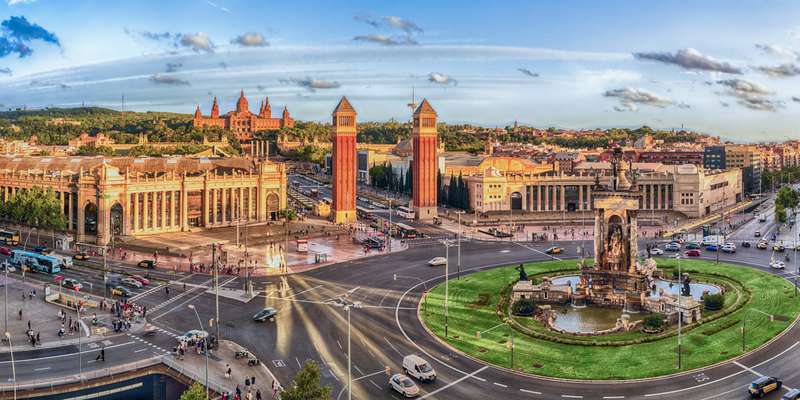
Why staying central matters in Barcelona
Barcelona's urban design concentrates its greatest treasures within a surprisingly compact area, yet many visitors underestimate walking distances when booking accommodations. The Gothic Quarter exemplifies this perfectly - its labyrinthine streets place you within 15 minutes of La Rambla, the cathedral, and the Picasso Museum, with atmospheric tapas bars appearing around every corner. Unlike sprawling metropolises, Barcelona rewards those who stay near its historic core with spontaneous discoveries that organized tours can't replicate. Morning coffee at a century-old café turns into an impromptu conversation with the owner about hidden Roman ruins nearby. Evening strolls along medieval alleyways reveal local flamenco performances in tucked-away plazas. This proximity transforms your stay from a checklist of attractions into a living immersion in Barcelona's heartbeat.
View all Tours
The unbeatable convenience of El Born district
El Born emerges as the gold standard for transport-free stays, combining accessibility with authentic local character. Nestled between the Gothic Quarter and Ciutadella Park, this trendy yet historic area places you within easy walking distance of the Santa Maria del Mar basilica, the Picasso Museum, and the vibrant Mercat de Santa Caterina. Unlike more tourist-saturated zones, El Born retains its residential charm with artisan workshops and independent boutiques lining its narrow streets. The neighborhood's compact layout means you can enjoy a leisurely breakfast at a sidewalk café, explore the El Born Cultural Center's archaeological site, and still reach Barceloneta Beach by foot before lunch. As dusk falls, the area transforms into a hotspot for innovative tapas bars where locals unwind, eliminating the need for late-night transport worries.
UPDATES FOR YEAR 2026
New Pedestrian Rules and Essential Logistics for Modern Travelers
Navigating Barcelona by foot has become significantly easier thanks to the city's expanded 'Superblock' (Superilla) initiative. Major thoroughfares, particularly in the Eixample district, have been transformed into 'green axes' where pedestrian priority is absolute and through-traffic is strictly diverted. However, this increased walkability comes with stricter logistical requirements. As of recently, nearly all major landmarks—including the Sagrada Família and Park Güell—have moved to a mandatory digital-only booking system, meaning you can no longer buy tickets at physical on-site booths. Additionally, visitors should account for the updated municipal surcharge which has risen to €5 per night, added on top of the standard regional tourist tax. Travelers staying in Eixample will find the new pedestrian boulevards like Consell de Cent offer a seamless, car-free link between Gaudí's masterpieces and the historic center.
View all Tours
Eixample's grid for stress-free navigation
Modernista enthusiasts will find Eixample's orderly grid ideal for exploring without transport hassles. Designed by Ildefons Cerdà in the 19th century, this district's wide avenues and chamfered corners create exceptionally walkable blocks packed with architectural masterpieces. Staying near Passeig de Gràcia places Antoni Gaudí's Casa Batlló and La Pedrera literally on your doorstep, while upscale shopping and dining options abound. The symmetrical layout makes navigation intuitive compared to the medieval quarter's maze-like streets, particularly beneficial for families or those with mobility considerations. Evenings here offer a more refined Barcelona experience, with modernist bars and cocktail lounges serving creative drinks beneath vaulted ceilings. Though slightly further from the waterfront, Eixample's central position still allows manageable walks to Plaça Catalunya or the Gràcia district, with the bonus of fewer tourist crowds after dark.
View all Tours
Barceloneta's beachside accessibility secrets
For those craving seaside stays without transport dependence, Barceloneta defies expectations with its urban beach convenience. This traditional fishing neighborhood positions you between Mediterranean waves and the city's heart, with the Columbus Monument marking a pleasant 20-minute stroll to Las Ramblas. The key lies in choosing accommodations near the neighborhood's western edge, where you benefit from both beach proximity and easier walking access to the Gothic Quarter. Mornings can begin with sunrise yoga on the sand before wandering back through El Born for museum visits, while afternoons invite lazy beach siestas without worrying about metro schedules. Locals favor this area for its authentic seafood restaurants where paella pans sizzle beside the harbor, a world away from tourist traps. As the boardwalk lights twinkle at night, you'll appreciate having your urban adventure and beach retreat seamlessly connected by foot.
View all Tours
FAQ 2026
What is the total Barcelona tourist tax for visitors in 2026?
Starting in early 2026, the municipal surcharge in Barcelona has increased to €5 per person, per night. Combined with the regional Catalonia tax, travelers can expect to pay between €7.25 and €15.00 per night depending on the accommodation's luxury rating, with five-star hotels and licensed apartments seeing the highest rates.
Are there new pedestrian-only zones in Barcelona for 2026?
Yes, the city has significantly expanded its 'Superilla' (Superblock) network. Many streets in the Eixample grid have been converted into permanent green axes with limited vehicle access, prioritizing walkers and cyclists. This makes staying in central areas even more convenient for those who prefer to explore the city without using public transport.
Is the Sagrada Família fully finished for visitors in 2026?
The year 2026 marks a major milestone with the completion of the Tower of Jesus Christ, making it the tallest church in the world. While some final decorative elements on the Glory Facade may continue, the main architectural structure is largely complete, coinciding with the centenary of Antoni Gaudí's death and Barcelona's tenure as the World Capital of Architecture.
Written by Barcelona Tours Editorial Team & Licensed Local Experts.
Last updated: 24/02/26
