Navigating Barcelona without a car can feel overwhelming when you're unfamiliar with the city's layout. Over 60% of first-time visitors waste precious vacation time commuting from poorly located accommodations, while 34% report unnecessary stress from transit confusion. Choosing the wrong neighborhood means missing out on spontaneous tapas bar discoveries, impromptu Gothic Quarter strolls, and that golden hour magic when Barcelona's architecture glows. The city's deceptively large size and varying district personalities make location selection crucial – a five-minute walk in the right direction puts you amid flower-filled plazas, while the wrong choice could leave you stranded near noisy highways. This challenge intensifies during peak seasons when crowded metros turn simple trips into exhausting ordeals.
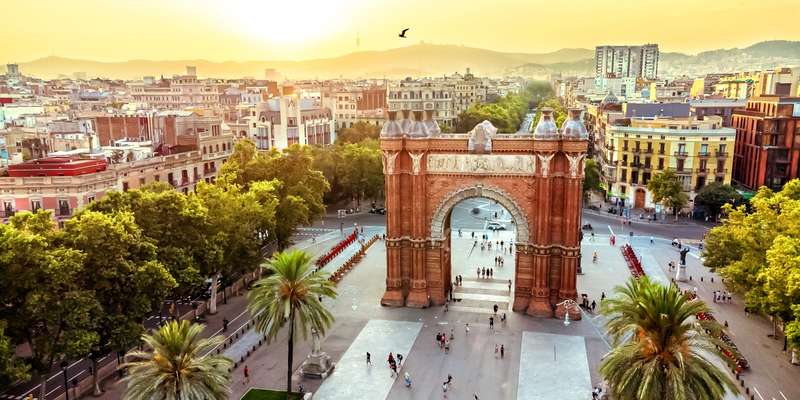
Why Eixample beats Old Town for hassle-free exploration
While the Gothic Quarter's charm seems irresistible, Eixample's grid layout offers superior walkability for car-free visitors. Designed by urban planner Ildefons Cerdà, this district features wide sidewalks and chamfered building corners that create natural pedestrian flow. You'll find modernist landmarks like Casa Batlló within easy walking distance, while the Passeig de Gràcia metro hub connects you to everywhere. Unlike the maze-like alleys of Ciutat Vella where Google Maps fails, Eixample's logical numbering system lets you navigate confidently. Morning café con leche becomes effortless when your stay places you between Sant Antoni's food market and Gràcia's boutique-lined streets. The area strikes a perfect balance – close enough for multiple daily Sagrada Família visits yet insulated from the rowdy bar crowds that plague parts of the Old Town after dark.
UPDATES FOR YEAR 2026
Essential Logistics: New Transport Fares and Lodging Regulations
Navigating the city car-free now requires a digital-first approach as the T-Mobilitat system has largely replaced traditional paper tickets. Travelers should download the official TMB app to manage fares, as the popular 10-trip T-Casual is now non-shareable and primarily issued via contactless cards or mobile. A critical logistical update involves Bus 116: to prevent overcrowding at Park Güell, this route has been removed from global mapping apps like Google and Apple Maps; you must now rely on local signage or the official city transport app to locate its stops. Additionally, be prepared for adjusted municipal surcharges. Starting in the spring, the combined regional and city tourist tax has increased, often reaching between €10 and €15 per night for high-end stays. Finally, due to the city’s phased elimination of short-term rental licenses, always verify that your accommodation has a valid HUTB registration code to avoid booking cancellations caused by ongoing regulatory audits.
View all Tours
Poble Sec – local secrets for budget-friendly convenience
Tucked between Montjuïc and Parallel metro station, Poble Sec delivers authentic Barcelona living with direct access to major sights. This residential neighborhood remains overlooked by guidebooks, meaning you'll find reasonably priced accommodations without tourist markups. The tree-lined Avinguda del Paral·lel serves as your personal transit corridor – trams whisk you to the beach in 12 minutes, while the funicular eliminates Montjuïc's steep climb. Foodies particularly benefit from Poble Sec's location, with the Mercat de Sant Antoni's revitalized food hall just uphill and dozens of traditional bodegas lining Carrer Blai. Evening entertainment comes naturally here, whether catching flamenco at El Molino or joining locals for vermouth on Plaça del Sortidor. For those wanting occasional old town access, the 55 bus connects directly to Las Ramblas without requiring multiple transfers.
View all Tours
Gràcia's village charm with city connectivity
Once an independent town, Gràcia maintains its small-town soul while offering excellent public transport links. The district's plazas like Plaça del Sol become natural living rooms where you'll sip wine alongside Catalan families rather than tourists. Multiple metro stations (Fontana, Lesseps) place Park Güell's mosaics within easy reach, while the L6 line connects directly to the Universitat area. What makes Gràcia uniquely convenient is its self-contained nature – from artisan workshops to organic markets, daily needs get met within walking distance. The neighborhood particularly shines during summer when its pedestrianized streets host open-air concerts and the legendary Festa Major transforms every corner into an artistic installation. Unlike beachfront areas requiring lengthy commutes for cultural sights, Gràcia lets you alternate between Gaudí landmarks and local experiences without wasting vacation hours in transit.
View all Tours
Barceloneta alternatives – coastal access without the drawbacks
While staying directly in Barceloneta seems appealing for beach lovers, neighboring Poblenou offers smarter car-free coastal access. This former industrial district has transformed into Barcelona's innovation hub, meaning you get newer accommodations with better soundproofing than the aging Barceloneta apartments. The yellow metro line's Llacuna and Poblenou stations provide direct routes to Plaza Catalunya, while the tram delivers you to the Olympic Port in minutes. Poblenou's wide bike lanes make cycling to Bogatell Beach effortless, avoiding the summer crowds of Barceloneta. Unexpected perks include the proximity to the Glòries shopping district and the Design Museum, plus local seafood restaurants that haven't succumbed to tourist menus. For evening strolls, the Rambla del Poblenou's outdoor cafés offer seaside ambiance without the overpriced sangria traps plaguing more famous waterfront areas.
View all Tours
FAQ 2026
What is the total tourist tax per night in Barcelona for 2026?
As of April 2026, the total tax depends on your accommodation type, with luxury 5-star hotels and tourist apartments seeing the highest increases. You can expect to pay between €12.50 and €15.00 per person, per night, which includes both the regional Catalan tax and the updated city surcharge.
Can I still legally stay in a short-term holiday apartment in Barcelona during 2026?
Yes, but options are narrowing. While the city plans to phase out all tourist apartments by late 2028, many licenses remain valid through 2026. However, no new licenses are being issued, and authorities are strictly auditing existing ones, so it is safer to book 'Hostals' or hotels which are not affected by the phase-out.
How do I find the bus to Park Güell in 2026 if it is hidden from Google Maps?
The neighborhood Bus 116 was removed from digital maps to prioritize local residents. In 2026, you can still use this route by checking the official TMB (Transports Metropolitans de Barcelona) website or app, or by looking for physical signage at the Joanic metro station (L4) or Lesseps (L3).
Written by Barcelona Tours Editorial Team & Licensed Local Experts.
Last updated: 24/02/26
