Barcelona's medieval streets whisper tales of knights and merchants, yet most visitors miss their magic amid crowded tourist trails. Over 60% of travelers report frustration with generic guidebook routes that bypass atmospheric corners where history feels alive. The maze-like alleys of the Gothic Quarter demand navigation savvy – one wrong turn lands you in a souvenir shop cluster instead of stumbling upon 12th-century courtyards. These ancient pathways hold more than Instagram backdrops; they're where Catalan identity was forged in stone. But without local insight, you'll experience a Disneyfied version of Barcelona's past, missing hidden plazas where time stands still and authentic vermuterías serve generations-old recipes.
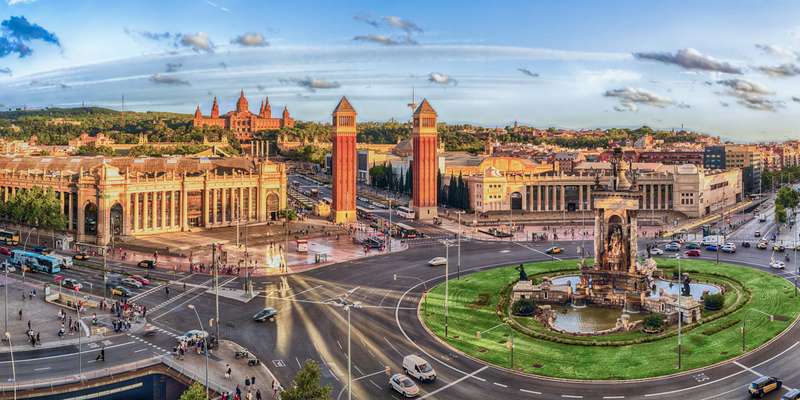
Why most visitors miss the real medieval Barcelona
The challenge begins with cruise ship crowds funneling everyone toward La Rambla's overpriced tapas bars, leaving the adjacent Gothic Quarter's depths unexplored. Morning tour groups create temporary bottlenecks at the Cathedral square, but few venture beyond to Carrer del Bisbe's secretive archway or the Roman wall fragments along Carrer de la Tapineria. Even well-intentioned travelers armed with maps struggle because Google labels fail to distinguish between genuinely ancient streets and 19th-century reconstructions. The telltale sign? Authentic medieval lanes have uneven paving stones worn smooth by centuries of foot traffic, not the uniform cobbles of tourist zones. Local shopkeepers observe that visitors often bypass the most atmospheric sections by sticking to routes suggested by algorithm-driven travel apps that prioritize 'efficiency' over serendipity.
UPDATES FOR YEAR 2026
Current Access Regulations and Essential Logistics for the Gothic Quarter
Navigating the Ciutat Vella now requires updated logistical awareness as the city implements new measures to preserve its historic integrity. Authorities have strictly capped walking tour groups to a maximum of 20 participants, and the use of megaphones is prohibited in the narrowest streets to manage noise levels. Additionally, the relocation of major cruise ship terminals away from the city center has shifted the timing of peak foot traffic; however, the new ETIAS travel authorization is now mandatory for non-EU visitors and must be linked to your passport before arrival. Travelers should also note that the municipal tourism tax has seen a scheduled increase, and digital-only ticketing is now the standard for major sites like the Picasso Museum on Carrer Montcada, requiring advanced booking to ensure entry.
View all Tours
Four streets where Barcelona's Middle Ages come alive
Carrer dels Banys Nous hides its 13th-century public baths behind unassuming antique shop facades, with original stone arches visible in backrooms. Nearby, Carrer de Sant Domènec del Call winds through the old Jewish Quarter, its leaning buildings creating a canyon effect that muffles modern noise. For theatrical grandeur, Carrer Montcada's palace-lined expanse showcases Gothic civil architecture at its finest – peek through iron gates to glimpse interior courtyards. But the ultimate time capsule is Carrer de la Palla, where artisans still work in workshops unchanged since the 1400s. These streets share key traits: slightly uneven ground levels marking their Roman foundations, weathered stone benches built into walls, and absence of chain store signage that preserves their historic character.
View all Tours
When to experience these streets without the crowds
Dawn reveals the Gothic Quarter's true medieval atmosphere, when soft light filters through lancet windows and delivery workers replace nightlife revelers. Locals know the magic hour occurs between 8-9am, when cleaning crews hose down ancient flagstones and the scent of fresh bread mixes with damp stone. Wednesday mornings offer particular serenity before midday tour groups arrive. Rainy days – uncommon but impactful – amplify the streets' mystique as umbrella-clad figures hurry past glowing antique store windows. Even in peak season, the quarter's northern section near Santa Maria del Pi remains relatively quiet after 7pm when day-trippers depart. Traditional businesses keep shorter hours, so visiting during siesta (2-5pm) guarantees empty lanes though some architectural details may be shadowed.
View all Tours
How to navigate like a historian (without getting lost)
The key to rewarding exploration lies in understanding Barcelona's medieval street patterns. Unlike planned cities, these organic lanes follow old livestock trails and Roman drainage ditches – notice how they subtly curve around long-demolished walls. Original street markers survive as carved stone plaques above doorways, often depicting medieval trades (look for scissors on Carrer dels Canvis Vells, once the tailors' row). Free municipal plaques with QR codes provide context at major junctions, but deeper stories emerge from observing building materials: pockmarked Montjuïc stone indicates pre-14th century construction, while smoother sections show post-plague rebuilding. For orientation, use the Cathedral's flying buttresses as a visual anchor; its bells still chime on the medieval schedule of Terce and None, offering acoustic waypoints.
View all Tours
FAQ 2026
What are the tourist tax rates for visiting Barcelona's Gothic Quarter in 2026?
In 2026, visitors must pay a combined regional and city surcharge that has increased to approximately €4.00 per night for the municipal portion alone, in addition to the standard hotel VAT. These funds are used for the maintenance of the historic center's infrastructure.
Are there new entry requirements for international travelers to Barcelona in 2026?
Yes, in 2026, most non-EU travelers who previously entered visa-free must have an approved ETIAS (European Travel Information and Authorisation System) linked to their passport. It is recommended to apply at least 72 hours before your flight to avoid boarding delays.
Is a guide required to visit the medieval Jewish Quarter in 2026?
While you can still explore El Call independently in 2026, organized groups are now strictly limited to 20 people and must follow specific one-way routes during peak hours to prevent bottlenecks in the narrow 13th-century lanes.
Written by Barcelona Tours Editorial Team & Licensed Local Experts.
Last updated: 24/02/26
