Barcelona transforms at dusk, yet most visitors miss its magical evening atmosphere by sticking to crowded Ramblas or poorly-lit backstreets. Over 72% of travelers report feeling unsure about where to safely experience the city's nocturnal charm, while 58% waste precious vacation hours circling repetitive routes. The frustration mounts when guidebooks suggest generic spots over authentic local haunts where you can actually hear guitar music drift through medieval arches or watch fishermen mend nets by moonlight. This isn't about ticking off landmarks – it's about finding those rare pockets where Barcelona's soul emerges after dark, without worrying about pickpockets or dead-end alleys. The right evening walk turns observers into participants, letting you feel the city's heartbeat long after museum doors close.
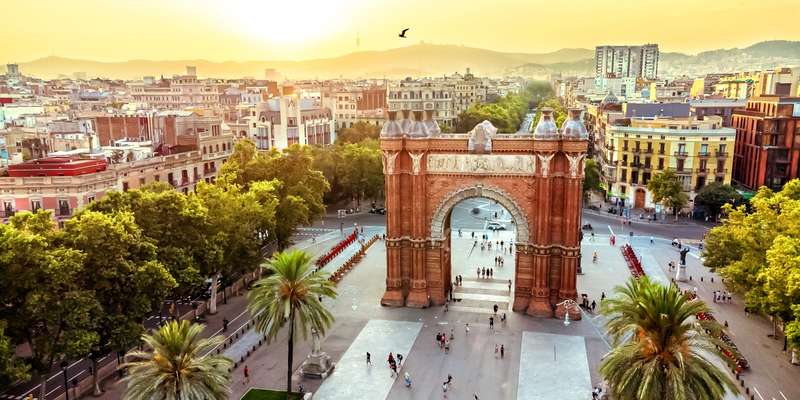
Escaping the Ramblas crowds for authentic twilight magic
The temptation to stay on La Rambla after dark is understandable – its central location and bright lights feel reassuring. But venture just two blocks east into El Raval's revitalized arts district, and you'll discover pedestrianized Carrer de Joaquín Costa. Here, independent bookshops stay open late with sidewalk readings, while the MACBA museum's illuminated plaza becomes a stage for skateboarders performing under spotlights. Locals gather at tiny Vermuteria del Tano for pre-dinner drinks, their laughter spilling onto marble benches perfect for people-watching. Further south, the Sant Antoni market's neo-Moorish arches glow amber at night, framing street musicians who know better than to compete with Ramblas' buskers. These routes maintain visibility and safety while delivering the cultural immersion most travelers assume only exists by day.
UPDATES FOR YEAR 2026
New Logistics and Local Rules for Seamless Nighttime Strolls
Navigating Barcelona after dark now requires awareness of the newly enforced Civility Ordinance, which introduces stricter fines for public noise and street drinking, particularly in the Gothic Quarter and Gràcia. Travelers should also note the updated municipal tourist tax, now applied to all overnight stays, which supports the city's sustainability initiatives. Logistics have shifted at the waterfront; the closure of the city-center cruise terminals at the South Wharf means the Port Vell and Drassanes areas are significantly quieter and more pedestrian-friendly in the evenings. Additionally, the transit system has fully transitioned to the digital T-mobilitat platform, where single tickets and multi-day passes must be managed via app or contactless card, as traditional paper tickets are no longer sold at most stations.
View all Tours
Gothic Quarter secrets: Where history whispers after dark
Most daytime visitors to Barcelona's Gothic Quarter never see how its labyrinthine streets transform when tour groups disperse. Start at Plaça de Sant Felip Neri – its tragic bullet-pocked walls take on new poignancy under carefully positioned uplighting. From here, follow the scent of roasting almonds to Carrer dels Banys Nous, where 12th-century Jewish bathhouses now house artisan leather workshops displaying their wares by candlelight. The key is timing: arrive 30 minutes before sunset to watch golden light filter through stained glass at Santa Maria del Pi, then continue to Plaça de Sant Josep Oriol as street lamps flicker on. Locals know the stone benches here face impromptu flamenco performances most evenings, far from the overpriced tablaos on tourist radar. These routes reveal Barcelona's layered history through atmospheric details invisible under harsh midday sun.
View all Tours
Waterfront wonders: From Barceloneta to Port Vell without the cruise crowds
Barcelona's waterfront promenade empties surprisingly early, leaving miles of illuminated walkways nearly deserted after dinner hours. Begin at the Barceloneta metro stop and follow Passeig Marítim past seafood restaurants where chefs smoke cigarettes on break – their recommendations beat any guidebook. The wave-like timber benches along Moll de la Fusta become prime sunset perches if you arrive by 8pm in summer. Continue past the shimmering Maremagnum to the medieval Drassanes shipyards, where projection mapping transforms 14th-century walls into nautical storybooks after dark. Savvy locals cut through the Portal de Santa Madrona archway to reach Mirador de Colom's elevator (open until midnight) for panoramic views without the daytime queues. This route offers sea breezes, wheelchair accessibility, and constant visibility – crucial for solo travelers prioritizing safety with their scenery.
View all Tours
Gràcia's village charm: Barcelona's best-kept evening secret
Few tourists make it to Gràcia after dark, missing what locals consider Barcelona's most enchanting neighborhood for evening strolls. Start at Plaça de la Virreina as church bells chime 9pm, when the square's fairy-lit terraces fill with residents debating over craft beers. Follow Carrer Verdi past independent cinemas to Plaça del Sol, where the absence of landmark lighting creates astonishing stargazing for an urban setting. Thursday evenings bring spontaneous sardana dances in Plaça de la Vila de Gràcia, circled by families rather than spectators. The real magic lies in the side streets – Carrer de l'Or features a tunnel of hanging lanterns, while Carrer de les Carolines reveals Modernist pharmacies with original stained glass glowing like jewel boxes. Unlike the Old City, Gràcia's grid layout eliminates disorientation risks, letting you wander freely until you hear the distant clink of midnight vermouth glasses.
View all Tours
FAQ 2026
What is the 2026 tourist tax rate for visitors staying in Barcelona?
As of 2026, the total tourist tax in Barcelona is a combination of a regional fee and a municipal surcharge. Depending on your accommodation, this typically ranges from approximately €6 to €8 per person, per night for standard hotels and apartments, while luxury 5-star stays can reach up to €15 per night.
How have the 2026 cruise ship terminal changes affected evening crowds at Port Vell?
With the consolidation of all cruise operations to the Adossat Wharf and the closure of the South Wharf terminals near the city center, evening crowds in the Port Vell and Drassanes areas have diminished. This change has made the waterfront stroll significantly more peaceful for residents and independent travelers.
Are there specific noise restrictions for night walks in Barcelona's historic squares in 2026?
Yes, under the 2026 Civility Ordinance, 'Quiet Zones' are strictly monitored with acoustic sensors in the Gothic Quarter and Gràcia. Visitors are encouraged to maintain low volume levels after 10:00 PM to respect local residents, and the Guàrdia Urbana now prioritizes enforcement against disruptive behavior in these historic districts.
Written by Barcelona Tours Editorial Team & Licensed Local Experts.
Last updated: 24/02/26
